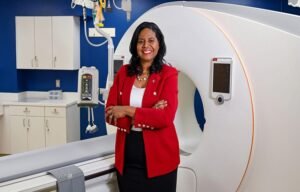
Kasey McKillip Discusses What Makes a Good MRI Technologist

Magnetic resonance imaging (MRI) is one of the most advanced diagnostic tools in modern healthcare. It can produce highly detailed images of soft tissues, joints, the brain, and other parts of the body. However, the quality of an MRI examination does not depend only on the scanner. According to Kasey McKillip, an experienced MRI technologist plays an equally important role in the process by combining technical knowledge, safety awareness, precision, and patient care. These qualities help ensure that every scan is both diagnostically valuable and as comfortable as possible for the patient.
Kasey McKillip highlights the qualities of a good MRI Technologist
A capable MRI technologist needs a solid understanding of imaging principles, magnetic physics, scanning protocols, and the equipment being used. Rather than relying on standard settings for every patient, the technologist should know how to select appropriate sequences according to the body area and clinical concern. Adjusting factors such as slice thickness, field of view, and contrast timing may be necessary to produce clearer and more useful images.
Technical expertise also helps when problems arise. MRI scanners can develop artifacts or technical issues during an examination. An experienced technologist can determine whether the problem is related to movement, incorrect coil placement, metal interference, or equipment and software issues, allowing corrections to be made efficiently.
In addition to having technical knowledge, a good MRI Technologist must also be committed to safety. As MRI uses an extremely powerful magnetic field, thorough screening is essential before patients or visitors enter the scanning area. A good technologist carefully checks for implants, pacemakers, metal fragments, and other potential contraindications. They also remain informed about changing safety recommendations involving implants, contrast agents, and pregnancy. Careful screening and strict adherence to safety procedures can prevent serious complications and protect everyone inside the MRI environment.
Many patients find MRI examinations stressful because of the confined scanner, loud sounds, and need to remain still for a considerable period. In the opinion of Kasey McKillip, a good technologist understands these concerns and explains the procedure before beginning. Patients should know what they will experience, how long the examination may take, and how they can communicate if they become uncomfortable. Clear communication can reduce anxiety and unnecessary movement, which may otherwise affect image quality. Patience and empathy are particularly valuable when working with individuals who are in pain, frightened, elderly, or medically vulnerable. Making small adjustments to positioning and providing reassurance can improve both comfort and scan results.
MRI technology continues to develop through new sequences, equipment, coils, and software improvements. Skilled technologists understand the importance of continuing education and regularly update their knowledge and practical abilities. They must also adapt their approach to different patient groups, including children, older adults, larger-bodied patients, and individuals with cognitive or communication difficulties. Each situation may require changes in positioning, communication, and scan planning.
Read More: From Smart Controls to Safety: 2025’s Best Heating Pad Features Revealed
A good MRI technologist brings together technical expertise, strict safety practices, adaptability, and compassionate patient care. These qualities ensure that patients receive a smoother experience while physicians receive reliable images for diagnosis and treatment planning. Ultimately, advanced MRI equipment can only perform at its best when operated by a technologist who understands both the technology and the people behind every scan.