
Valerie Powell Stafford Highlights How Service Outside the Workplace Shapes Better Healthcare Leaders
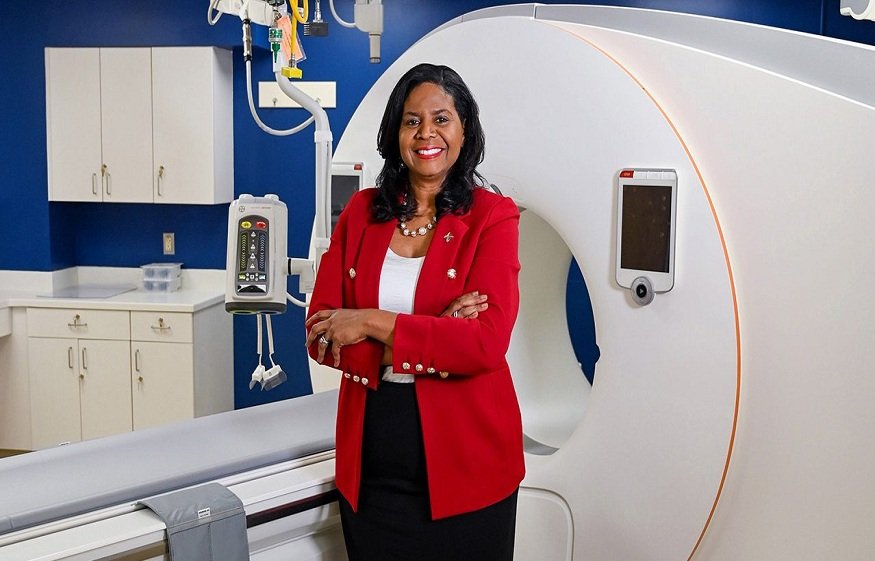
Healthcare leadership is often measured in clinical outcomes, budget performance, and operational efficiency. Yet some of the most respected executives in the industry point to a less obvious source of their strength, which is the time they spend serving people outside the walls of their institutions. Volunteering at a food bank, mentoring students, coaching a youth sports team, or sitting on the board of a local nonprofit may seem unrelated to running a hospital or health system. As per Valerie Powell Stafford, however, in practice these experiences quietly build the instincts, empathy, and perspective that define grounded, people-first leadership.
Valerie Powell Stafford offers an overview on how service outside the workplace shapes better healthcare leaders
Inside a healthcare organization, conversations are often structured around data, protocols, and hierarchy. Community service strips that structure away. A leader stocking shelves at a shelter or tutoring a struggling student has to listen without an agenda, respond to needs in real time, and meet people exactly where they are. That skill transfers directly to the workplace. Executives who serve regularly tend to ask better questions in meetings, notice what isn’t being said, and pick up on the concerns of frontline staff and patients that might otherwise go unspoken. Listening becomes a habit rather than a technique.
Volunteering often places leaders in environments with far fewer resources than they are used to managing. A free clinic with limited supplies, a shelter stretched thin during winter months, or a community program running on donations alone offers a firsthand look at what scarcity actually feels like. This exposure tends to sharpen an executive’s sense of proportion. Budget disagreements in the boardroom look different after a weekend spent seeing how far a small grant has to stretch to serve dozens of families. Leaders who carry that awareness into their roles are often more thoughtful about resource allocation and less quick to dismiss the downstream effects of decisions made at the top.
Executives are used to being the most senior person in the room. Community service frequently reverses that dynamic. A hospital administrator serving on a nonprofit board may find themselves the newest, least experienced voice at the table. A CEO handing out meals may be taking direction from a volunteer coordinator half their age. According to Valerie Powell Stafford, these small reversals of status are quite valuable. They remind leaders what it feels like to not have all the answers, to be corrected, or to simply follow instructions. That humility tends to soften how they lead their own teams, making them more approachable and less prone to the insulated thinking that can develop at the top of large organizations.
Read More : From Smart Controls to Safety: 2025’s Best Heating Pad Features Revealed
Healthcare organizations exist to serve specific communities, yet it is easy for executives to lose touch with the day-to-day reality of the people they ultimately answer to. Involvement in local service closes that gap. A leader who coaches little league, volunteers at a senior center, or participates in a neighborhood cleanup builds relationships with the same population that walks through the hospital’s doors. These relationships offer insight that no patient satisfaction survey can fully capture, including what people worry about, what barriers they face in accessing care, and what trust actually looks like from their side of the table. Leaders with these ties tend to make decisions that better reflect the community’s actual needs rather than assumptions formed inside a boardroom.