Synthetic Bone Graft Price Per cc: UK Supplier Cost Comparison
The landscape of dental and orthopaedic bone grafting in the UK is rapidly evolving. As more clinicians and procurement managers seek reliable, ethical, and predictable solutions for bone regeneration, synthetic bone grafts have become an increasingly popular choice. Yet, when it comes to sourcing these advanced biomaterials, one question always surfaces: what does a synthetic bone graft cost per cc, and how do UK suppliers compare?
Drawing on 15 years of professional expertise in medical and dental content, this comprehensive guide helps demystify the buying process for synthetic bone grafts, explains what drives cost differences, and offers smart strategies for getting the best value—without ever compromising on quality or patient safety.
Why Synthetic Bone Graft Is in Demand
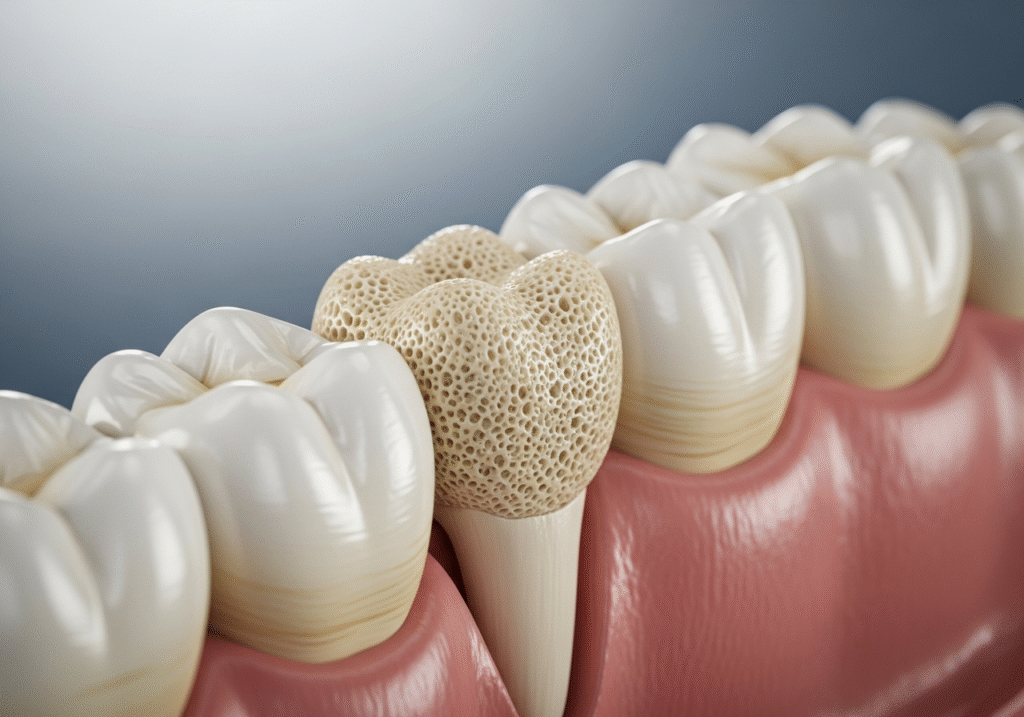
Synthetic bone grafts are laboratory-engineered materials designed to replicate the structure and function of natural bone. Unlike autografts (bone harvested from the patient) or xenografts (derived from animal sources), synthetic options are fully biocompatible, safe from disease transmission, and suitable for a broad range of patients, including those with dietary or religious restrictions.
Key advantages of synthetic bone grafts include:
- Consistent quality and availability
- No donor site morbidity or ethical concerns
- Controlled resorption and integration rates
- CE-marked and regulated for UK practice
Today, synthetic bone grafts are used in everything from socket preservation and sinus lifts to complex orthopaedic reconstructions.
What Influences Synthetic Bone Graft Price Per cc?
When comparing synthetic bone graft costs across UK suppliers, it’s tempting to look for the lowest price per cc—but the true measure of value goes much deeper. Several factors combine to determine the final cost:
- Material Composition
Most synthetic bone grafts are made from hydroxyapatite (HA), beta-tricalcium phosphate (β-TCP), or a combination. Some incorporate calcium sulphate or bioactive glass. These ingredients differ in resorption speed and performance, which can influence the price.
- Manufacturing and Purity
High-quality synthetic grafts are produced under strict laboratory conditions to ensure purity, uniformity, and safety. Advanced manufacturing processes, such as nanotechnology or 3D printing, may command a premium but deliver superior clinical outcomes.
- Formulation and Handling
The graft’s format—granules, putty, blocks, or injectables—affects not only clinical application but also pricing. Pre-mixed, ready-to-use products often cost more than powders that require intraoperative preparation.
- Clinical Evidence and Brand Trust
Grafts with robust clinical data, peer-reviewed studies, and a track record of successful use in the UK often carry higher price tags, reflecting the confidence they inspire among practitioners.
- Packaging Size and Bulk Purchasing
Larger packaging sizes (e.g., 1cc, 2.5cc, 5cc) often provide economies of scale. Suppliers may offer discounts for bulk purchases or long-term contracts, which can reduce the average price per cc over time.
- Supplier Support and Added Value
Some suppliers go beyond simply selling grafts: offering training, technical support, educational resources, and reliable logistics. These “soft costs” can be invaluable, especially for practices new to synthetic grafting.
The Real Cost: Beyond the Price Tag
While the price per cc is a critical consideration, the synthetic bone graft you choose should also be judged on:
- Clinical outcomes: Will it integrate predictably and support long-term success?
- Ease of use: Does it save chair time, minimise waste, and fit seamlessly into your workflow?
- Patient acceptance: Is it suitable for vegans, vegetarians, or those with religious concerns?
- Regulatory compliance: Is it CE-marked, traceable, and supported by robust documentation?
Choosing a slightly more expensive but well-supported product often pays dividends in reduced complications, higher patient satisfaction, and fewer reinterventions.
Comparing UK Suppliers: What Should You Look For?
With a growing number of distributors and brands competing in the UK market, selecting the right supplier can seem overwhelming. Here’s how to compare:
- Product Range
Top UK suppliers offer a curated selection of synthetic bone grafts from leading international and domestic manufacturers. The range should cover different formulations, resorption profiles, and surgical indications.
- Technical Support
Look for suppliers who provide not just product, but partnership. This includes guidance on product selection, clinical protocols, in-practice training, and troubleshooting.
- Delivery and Reliability
A supplier’s ability to deliver on time, every time, directly affects your practice’s efficiency. Ask about stock levels, lead times, and emergency ordering options.
- Documentation and Traceability
Each batch of synthetic bone graft should be fully traceable, with up-to-date certificates of analysis, CE marking, and expiry dates. Transparent documentation is essential for compliance and peace of mind.
- Education and CPD
The best suppliers invest in your professional development—offering webinars, workshops, and case study libraries to help you stay ahead in bone regeneration techniques.
The Most Popular Synthetic Bone Grafts in the UK
While this article does not compare prices, it is useful to know which synthetic bone graft products dominate the UK market and why they’re trusted by clinicians:
- EthOss®: A UK-developed biphasic graft of β-TCP and calcium sulphate, praised for self-setting properties and complete resorption.
- Cerasorb®: A pure β-TCP material with a long history of safe, predictable use in both dental and orthopaedic indications.
- Maxresorb®: A dual-phase graft (hydroxyapatite and β-TCP) valued for its balance of stability and resorption.
- BondBone®: A settable calcium sulphate graft, excellent for socket preservation and cases where membrane-free healing is desired.
- Blue Bone®: A newer product combining multiple calcium phosphates for improved handling and radiopacity.
Each of these options is available from reputable UK suppliers and comes with varying packaging sizes, clinical support, and evidence base.
How to Optimise Value When Buying Synthetic Bone Grafts
- Assess Clinical Indication: Choose the graft best suited to the procedure—whether it’s a straightforward socket preservation, a sinus lift, or a complex peri-implant defect.
- Consult with Peers: Colleagues’ experiences with handling, integration, and patient outcomes are invaluable.
- Trial Before Committing: Many suppliers offer sample packs or trial quantities for new products—take advantage before switching your procurement strategy.
- Monitor Outcomes: Keep detailed records of healing times, integration success, and patient feedback to inform future choices.
- Review Bulk Options: If your practice performs frequent grafting, discuss bulk purchase arrangements for better per-cc value.
- Prioritise Support: A responsive supplier who can answer questions, replace stock quickly, or assist in a clinical challenge is worth every penny.
FAQs: What UK Buyers Want to Know
Is the cheapest synthetic bone graft always the best value?
Not necessarily. Lower-cost products may lack the clinical backing, handling properties, or support that premium brands provide. Always balance cost with reliability.
Can synthetic bone grafts be used in all patients?
Most are suitable for a wide range of patients; however, always review product indications, and consult with the manufacturer or supplier if a patient has specific health concerns.
How do I know if a product is CE-marked and compliant in the UK?
Your supplier should provide documentation on request. It’s also wise to check the manufacturer’s website for the latest regulatory updates.
What about storage and shelf life?
Synthetic bone grafts typically have a long shelf life when stored properly. Ensure your stock is rotated and check expiry dates regularly.
The Future of Synthetic Bone Graft Pricing in the UK
As innovation accelerates and more brands enter the market, competition among UK suppliers is likely to continue driving value for clinicians. Expect to see new materials with enhanced biological properties, more user-friendly formats, and digital integration for tracking usage and outcomes.
Cost transparency, bundled support, and flexible purchasing arrangements will remain key differentiators among suppliers. Practices that stay informed and build strong supplier relationships will be best positioned to deliver outstanding care while managing costs.
Conclusion
The quest for the right synthetic bone graft in the UK is about more than just price per cc. It’s a holistic decision that weighs clinical needs, patient expectations, regulatory compliance, and supplier partnership. As the market evolves, clinicians who focus on value—supported by robust documentation and trustworthy suppliers—will continue to set the standard for excellence in bone regeneration.
Restore Surgical stands ready to assist you in navigating the options, selecting the best synthetic bone graft for your unique needs, and ensuring reliable supply and support. If you wish, you can buy with them and experience first-hand the advantages of working with a dedicated, knowledgeable partner.
Disclaimer: This blog is for informational purposes only and does not constitute clinical or procurement advice. Always consult official product documentation and current clinical guidelines when selecting materials for patient care.